
Residential and commercial rentals
Whether you’re looking for a new home or a business space, we can help
Live, work, enjoy… rental properties to suit your life and work
If you are brand new to the Cayman Islands, or it’s your first time renting a commercial space, we’ve also put together a list with answers to some of the big questions about commercial and residential rentals you might be facing!
You can also sign up or our newsletter for the latest information, advice, market information and ongoing guidance.
Commercial rental opportunities in the Cayman Islands

What kind of commercial space do you need?
Offices
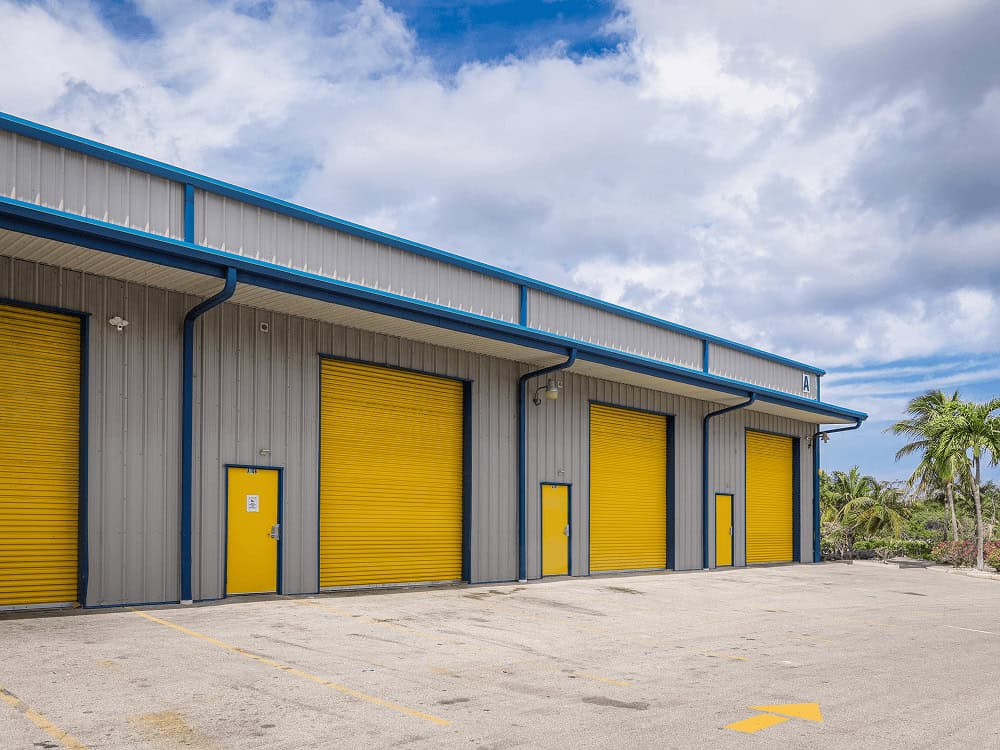
Retail and hospitality
Warehouse space
Check out our available properties
Residential rental opportunities in the Cayman Islands
Townhomes, apartments, villas… the choice is yours
Townhomes
Apartments
Villas
Check out our available properties
Inside a Heritage Holdings rental property
High-specification design and interiors, plus a range of amenities
Renting a Heritage Holdings property means you’ll enjoy plenty of comforts to enhance your lifestyle. You’ll also find yourself part of a community, with lifestyle and retail amenities close by.
High-specification interiors
As well as high-end bathrooms and bright open spaces, our properties come with state-of-the-art appliances (with 12- month warranties) and energy-efficient AC systems.
Fit-for-purpose commercial and retail properties
Premium locations
Wellness and relaxation
Security
Parking
First-time commercial and residential rentals in the Cayman Islands
If you’re moving to the Cayman Islands and looking for a rental property, here’s a list of FAQs we hope help you
You’ll need a work permit to be able to live in the Cayman Islands. You may also require a guarantor for your lease (a friend or family member who is resident here).
Prospective commercial tenants must provide:
- A current copy of their Trade and Business License
- A current copy of their ID for themselves and their guarantor
- A current bank reference letter for themselves and their guarantor
- A current Certificate of Good Standing
Prospective residential tenants must provide:
- A current employer’s letter or bank statement showing monthly/annual salary
- A current copy of their ID for themselves and their guarantor
- A landlord’s reference letter
Strata means that while individual apartments or townhomes are owned by the buyer or investor, the shared areas (such as gardens, pools or parking) are owned and maintained by a strata corporation. This is typically managed by the property owners themselves or through a professional management company.
Yes. For residential rentals, this is usually 6-8 weeks rent, and you’ll also be expected to pay a month’s rent in advance. Rent is usually collected monthly by bank transfer or cheque.
Commercially, you’ll need to pay a security deposit and a month or a quarter’s rent in advance. (Rent is calculated by the square foot.)
In some commercial rentals, tenants may be required to contribute to Common Area Maintenance, commonly referred to as CAM. These charges cover the upkeep of shared spaces within the property, such as parking areas, landscaping, lighting and common walkways.
CAM charges are separate from base rent and only apply where specified in the lease. Not all commercial properties include CAM, so it is important to review your lease terms carefully to understand what, if any, shared maintenance costs apply to your unit.
Additional costs can vary, so it is important to review your lease carefully to understand what is included in the rent and what is your responsibility. Tenants should budget for utility deposits and ongoing bills such as water, electricity, gas and internet. You may also wish to arrange insurance for your personal belongings.
Bringing pets can be challenging. Many rental properties—especially those in strata developments—do not allow them, even with an additional security deposit. If you’re relocating with pets, confirm the property’s pet policy before signing a lease.
Securing school places for your children can be difficult owing to long waitlists at both public and private schools. It’s advisable to research and apply for school placements as soon as possible if you’re planning to relocate with children. Homeschooling is another option, but you must apply to the Department of Education Services, and this should be done in advance so all the necessary checks have been completed in time.
Simply put: yes, it is! As with anywhere, housing costs do vary depending on location, size and property type (renting near Seven Mile Beach, for example, will cost more than a similar property further from the beach). If you’re coming from an expensive city such as New York, you may be used to a higher level of cost. Liaise with your employer to see how they can help with moving expenses (for example, shipping your possessions) or with a contribution to compulsory health insurance. Think about car purchase and insurance – and you may need to apply for a Cayman Islands driving licence (if you’ll be on the islands for more than six months).